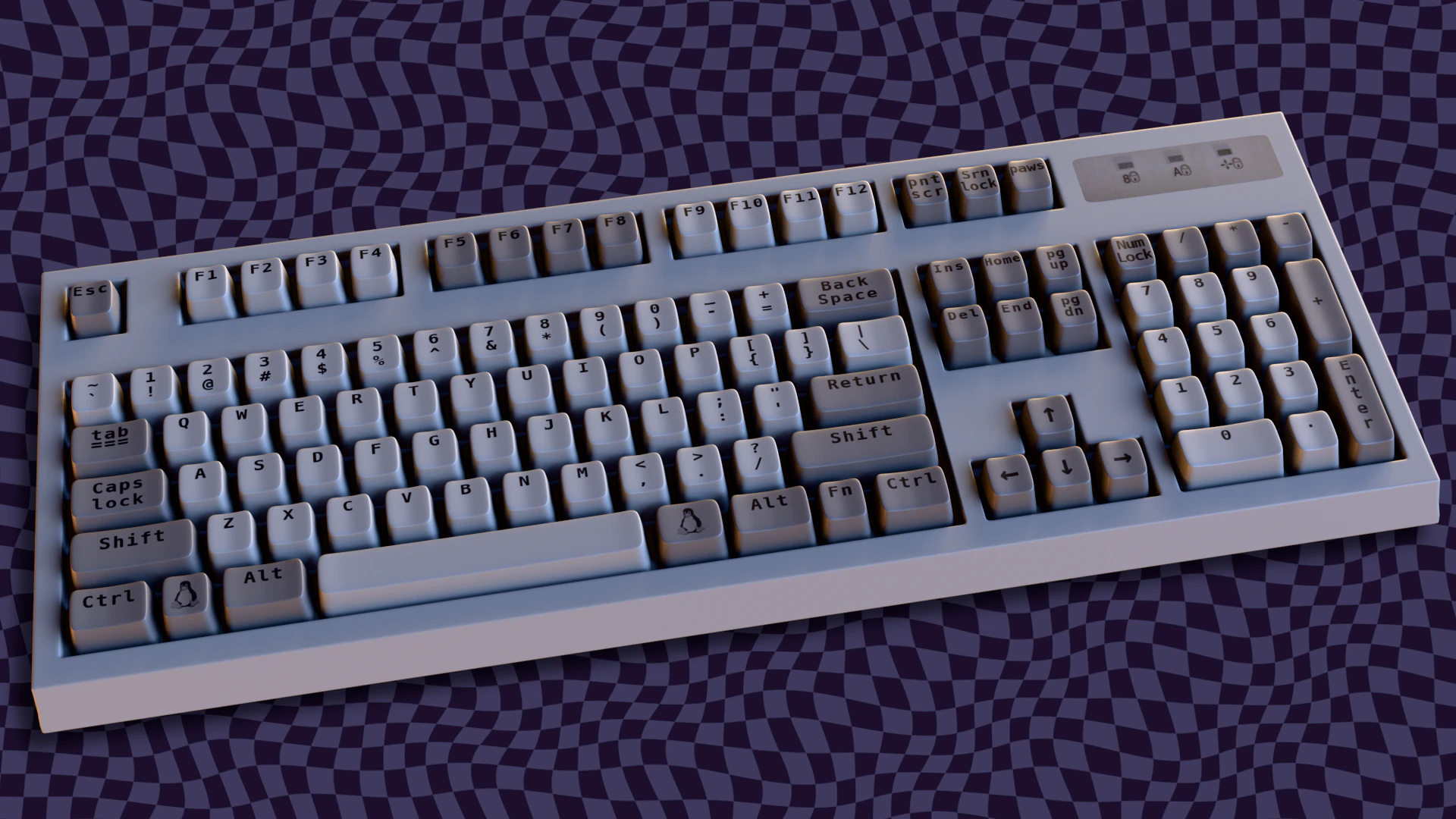
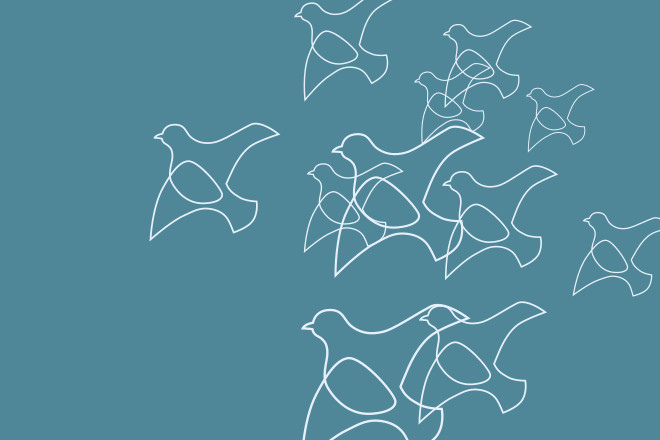
Saw this wall socket art work in a cafe. Seemed like a good project to make in #blender. First WIP looks quite promising. Still plenty work left on remaining modeling, materials and lighting.
Bevor ich meinen GuMo-Tröt tröte,spiele ich immer mal ein bisschen mit #Blender herum.
Das hier soll der neue Vorspann für meine Wandervideos in diesem Jahr sein.😊
Bevor ich meinen GuMo-Tröt tröte,spiele ich immer mal ein bisschen mit #Blender herum.
Das hier soll der neue Vorspann für meine Wandervideos in diesem Jahr sein.😊
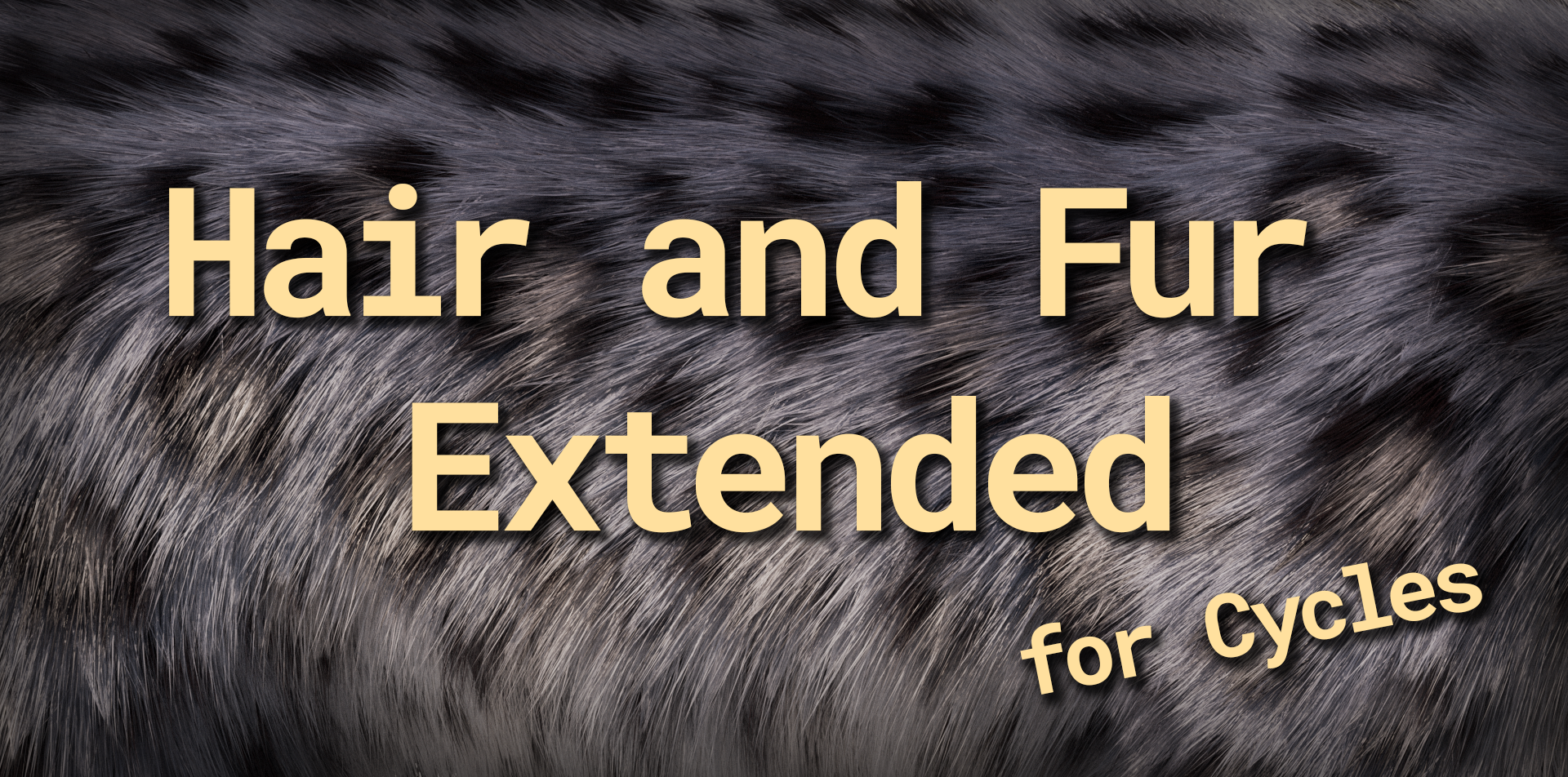
Hairy Balls!
Since I've got your attention now, I've released the hair shader, it's free:
https://ko-fi.com/s/2822208802
It comes with a 9 page overview of the parameters and several examples and presets.
If you download and use it, please show me your artworks and report bugs. :3
#blender3d #b3d #blender #shader #fur #3d #3dart #digitalArt
Even asteroids need friends, so I hooked up the asteroid generator to a point cloud, tweaked a few things, and voila: asteroid fields!
The "merge" parameter doesn't really merge anything; it simply removes the randomization of the noise function per asteroid, so that nearby asteroids get similar noise values. I'm surprised how quick this still is. Granted, you need to lower the resolution, but its barely noticable from afar.
Evening doodle: a quick and dirty asteroid generator in #Blender.
Using cascaded noise displacement along the normal vectors, and a bit of shader magic sprinkled on top to make even low-res meshes look decent.
Even asteroids need friends, so I hooked up the asteroid generator to a point cloud, tweaked a few things, and voila: asteroid fields!
The "merge" parameter doesn't really merge anything; it simply removes the randomization of the noise function per asteroid, so that nearby asteroids get similar noise values. I'm surprised how quick this still is. Granted, you need to lower the resolution, but its barely noticable from afar.
Periodic reminder that #blender (and especially it’s ”documentation”) fuckin’ sucks. Fucking Vi and Gimp rolled into one and sprinkled with polygons.
It seems as if the patterns that looked like obfuscation to me are actually because the addon is built with Serpens which is itself a paid Blender addon ( https://superhivemarket.com/products/serpens also licensed GPL but source nowhere to be found ) that allows visual addon development without programming. And the distributables that come from this contain this kind of generated Python code.
So the code is apparently not obfuscated, it's just generated output.
Anyone here with some insight into the #blender open source addon community? I found several plugins marked as "Open Source", for example: https://github.com/GitMay3D/OpenScatter
Just that they do not seem to be Open Source at all. The repo is empty, the maintainer seems to upload the sources, make a release, then delete them in another commit. Now even looking at the sources in the commits that have them, they seem to be heavily obfuscated.
It seems to be an exercise in dancing around the GPL.
It seems as if the patterns that looked like obfuscation to me are actually because the addon is built with Serpens which is itself a paid Blender addon ( https://superhivemarket.com/products/serpens also licensed GPL but source nowhere to be found ) that allows visual addon development without programming. And the distributables that come from this contain this kind of generated Python code.
So the code is apparently not obfuscated, it's just generated output.
Anyone here with some insight into the #blender open source addon community? I found several plugins marked as "Open Source", for example: https://github.com/GitMay3D/OpenScatter
Just that they do not seem to be Open Source at all. The repo is empty, the maintainer seems to upload the sources, make a release, then delete them in another commit. Now even looking at the sources in the commits that have them, they seem to be heavily obfuscated.
It seems to be an exercise in dancing around the GPL.
Anyone here with some insight into the #blender open source addon community? I found several plugins marked as "Open Source", for example: https://github.com/GitMay3D/OpenScatter
Just that they do not seem to be Open Source at all. The repo is empty, the maintainer seems to upload the sources, make a release, then delete them in another commit. Now even looking at the sources in the commits that have them, they seem to be heavily obfuscated.
It seems to be an exercise in dancing around the GPL.